Understanding Your Menstrual Cycle
Learn about your body's natural rhythm, track your cycle, and gain insights into your reproductive health with our comprehensive guide.
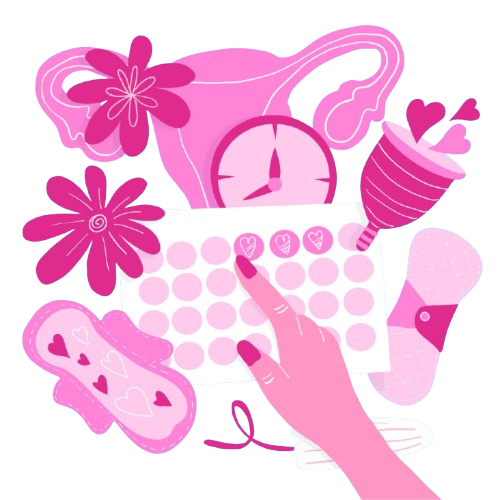
Your Cycle Phases
Understanding the four phases of your menstrual cycle
Menstrual Phase
The shedding of the uterine lining, marking the start of your cycle. This phase is characterized by bleeding and hormonal changes.
3-7 daysCommon Symptoms
Follicular Phase
Your body prepares for ovulation by developing follicles. Estrogen levels rise, leading to increased energy and improved mood.
7-10 daysCommon Symptoms
Ovulation Phase
The release of a mature egg from the ovary. This is your most fertile period, marked by peak estrogen levels.
1-2 daysCommon Symptoms
Luteal Phase
The uterus prepares for potential pregnancy. Progesterone levels rise, and if pregnancy doesn't occur, hormone levels drop.
10-14 daysCommon Symptoms
Common Symptoms
Understanding the physical and emotional changes during your cycle
Cramps
Uterine contractions causing discomfort
Mood Changes
Emotional fluctuations
Fatigue
Low energy levels
Headaches
Hormonal migraines
Food Cravings
Increased appetite
Breast Tenderness
Swelling and sensitivity
Cramps
Uterine contractions that can cause discomfort in the lower abdomen. These are caused by the release of prostaglandins during menstruation.
Self-Care Tips
Ways to manage your symptoms and maintain well-being
Physical Wellness
Exercise Regularly
Light to moderate exercise can help reduce cramps and improve mood.
Healthy Diet
Eat a balanced diet rich in iron, calcium, and vitamins.
Mental Wellness
Stress Management
Practice relaxation techniques like meditation or deep breathing.
Adequate Sleep
Get 7-9 hours of sleep to help manage fatigue and mood changes.
Tracking & Monitoring
Track Your Cycle
Use our app to monitor symptoms and predict your next period.
Stay Hydrated
Drink plenty of water to help reduce bloating and fatigue.
Exercise Regularly
Regular exercise during your menstrual cycle can help reduce cramps, improve mood, and boost energy levels. Here's how to incorporate exercise into your routine:
Choose the Right Exercise
Opt for low-impact exercises like walking, swimming, or yoga during your period.
Start Slowly
Begin with 10-15 minutes of light exercise and gradually increase duration.
Listen to Your Body
Pay attention to how you feel and adjust intensity accordingly.
Start Your Journey to Better Period Health
Join thousands of women who are taking control of their menstrual health with our comprehensive tracking and insights platform.